Transforming Healthcare with Unmatched Diagnostic & Interventional Radiology Services – NIRS Abbottabad
Our Services
Gastroenterology
Minimally invasive liver and gastrointestinal interventions, including TACE, biliary stenting, and GI bleed management.
Neurology/Neurosurgery
Vascular brain/spine interventions, tumor embolization, and carotid artery stenting.
Gynecology & Obstetrics
Uterine fibroid embolization, ovarian cyst management, and postpartum hemorrhage control.
General Surgery
Image-guided biopsies, abscess drainage, and embolization for high-risk surgical conditions.
Urology/Nephrology
Kidney/urinary tract procedures like nephrostomy, renal stenting, and AV fistula repair.
Orthopedics
Bone tumor embolization, biopsies, and ablation for osteoid osteomas.
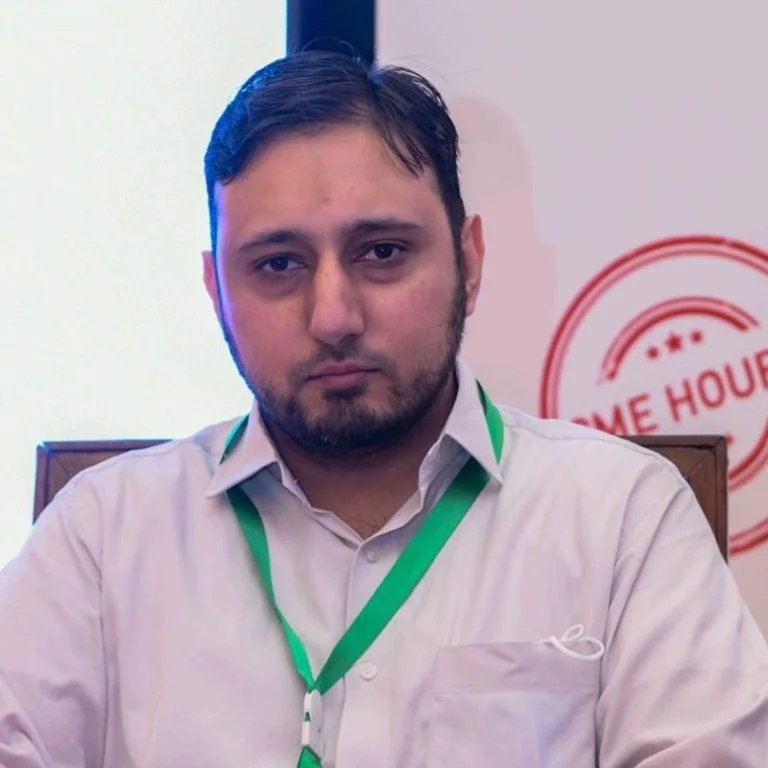
Dr. Atif Nawaz
Interventional Radiologist
Dr. Muhammad Ismail
Interventional Radiologist
Dr. Muhammad Ismail Alvi is a highly regarded Interventional Radiologist known for combining advanced medical skills with compassionate care. After earning his medical degree from Peshawar Medical College, he underwent extensive training in diagnostic and interventional radiology at Aga Khan University. As a dedicated member of the Interventional Radiology Society of Pakistan (IRSP), Dr. Alvi remains committed to delivering safe, effective, and minimally invasive treatments that improve patient outcomes.
Why Choose NIRS Pakistan?
Cutting-edge Technology
We utilize the latest tools for accurate diagnostic results and interventions.
Affordable Radiology Services
We utilize the latest tools for accurate diagnostic results and interventions.
Experienced Doctors, High Success Rate
We utilize the latest tools for accurate diagnostic results and interventions.
Our Diagnostic Solutions
Your Health, Our Priority
Accurate Diagnosis
Interventional Procedures
Patient-Centric Approach
Timely Reports
Empowering Health Choices
Holistic Wellness Care
What Our Clients Say
Trusted. Experienced. Appreciated.
Do You Know Tace?
What is Tace?
Trans-arterial chemoembolization (TACE) is a minimally invasive procedure performed in interventional radiology. It restricts a tumor’s blood supply and delivers targeted chemotherapy directly to the tumor.
Advantages
Restricts tumor growth.
Causes tumor necrosis.
Downstages the tumor.
Reduces tumor burden, enabling curative therapies (e.g., transplant, radiofrequency ablation).
Criteria
Tumor size > 5 cm (smaller tumors are treated with RFA).
Multifocal tumors.
No involvement of the main portal vein (small branch involvement allowed).
No metastasis
Side Effects
Post-TACE symptoms can occur in some patients (due to release of tumor necrosis factors)
Fever.
Right hypochondriac (RHC) pain.
These effectiverly controled by giving appropirate analgesics.
Case Highlights
From Diagnosis to Recovery: Comprehensive Care at Every Step
Case of 50 years old female.
History : Known case of Chronic Liver Disease.
Lab Alarm : Raised AFP.
Imaging : CT showed findings typical.
What was Done : TACE (Transarterial chemoembolization)
Agents Used
Doxorubicin (Chemotherapeutic Agent)
Lipiodal (Drug Carrier + Embolizer)
PVA particles (Embolizing material)
Brief Summary : We got access through the right femoral artery. Inserted catheter into the hepatic artery. Identified the tumor vessel by giving contrast. Placed the tip of the catheter into the tumor vessel. Injected chemotherapy, drug and embolizing material.
What was achieved : Complete embolization of the tumor vessels
What to do next : CT abdomen (Tri-phasic study) after 6 weeks.